

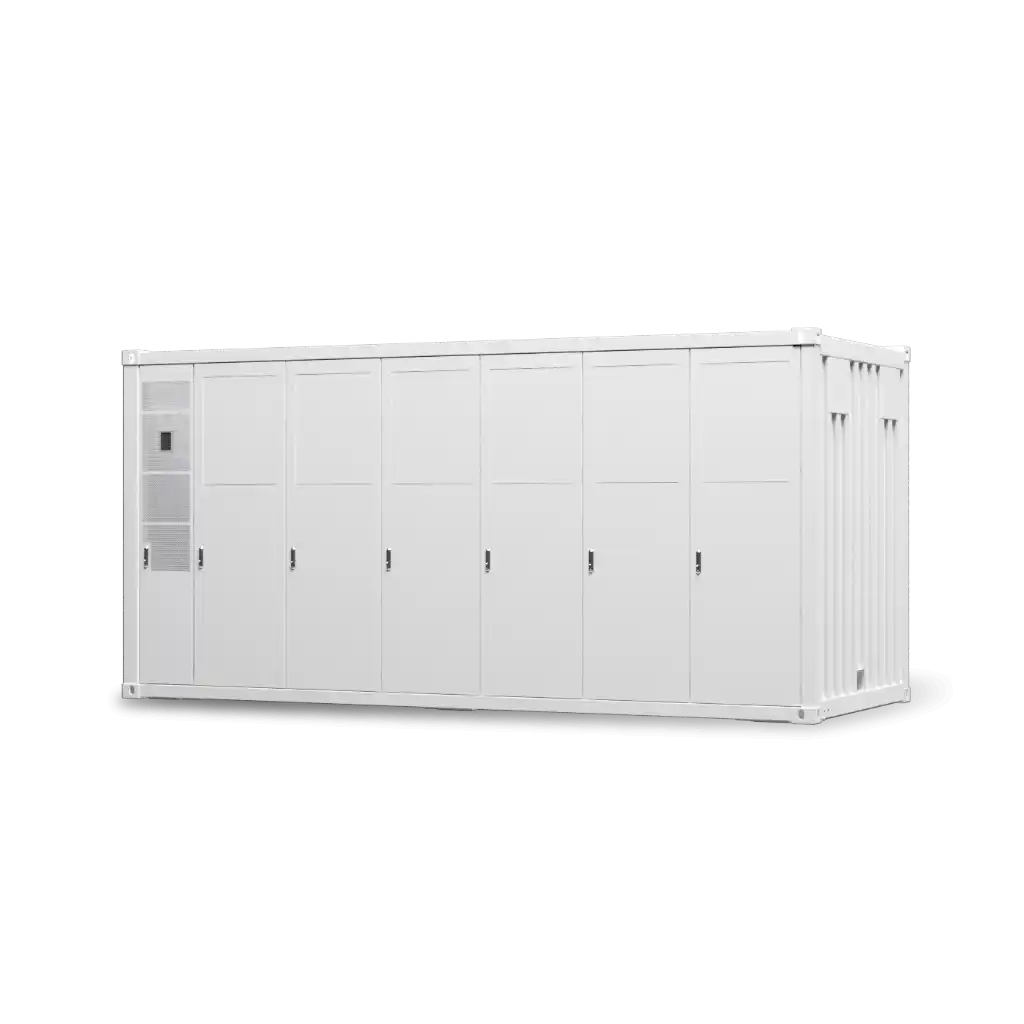
Daily Nusantara, Jakarta – Define dispatch priorities, protection coordination and which assets can establish voltage and frequency if island operation is specified. This is a familiar challenge in microgrid projects, where decisions made early can restrict operation for years. Failures usually develop at the interface between otherwise competent teams. Reviewing the actual service environment is often more revealing than collecting another impressive efficiency figure.
Treat Restart as a Procedure
After a complete shutdown, restoring a mixed system can require a particular sequence of auxiliaries, power conversion and load blocks. The project should define what can start first and what must wait. Operators need simple instructions and a proven test record. Black-start functionality should never be assumed from a broad resilience claim.
Plan for Local Maintenance
Spare components and trained staff may be far from the installation. Prefer an architecture whose common failures can be diagnosed remotely and repaired safely with available resources. A technically sophisticated design may perform poorly if every minor fault requires overseas support. Consider accessibility and logistics as part of reliability.


For a broader technical starting point, compare Smart Microgrid with the conditions actually documented in the proposed project. Define dispatch priorities, protection coordination and which assets can establish voltage and frequency if island operation is specified.
Prepare for Demand Growth
Communities and industrial outposts add refrigeration, machinery or new buildings over time. Reserve practical expansion routes while setting clear limits on existing capacity. Adding a load may require protection and dispatch changes as well as another panel. A simple change-control process can prevent unplanned demand from eroding resilience.
Loads that look minor in an energy budget can create difficult starting transients.


Document Control Interfaces
Inverters, batteries, meters and generator controllers may come from different suppliers. Each interface requires agreed data points, timing and fallback behavior. Test communication loss as carefully as normal dispatch. Without clear ownership, operators can struggle to diagnose a problem that crosses two otherwise functioning devices.
Treat Dispatch as a Policy
Charging and discharging rules should be written down before choosing control hardware. Priorities might include avoiding export, reducing demand charges, preserving emergency reserve or following a time-of-use tariff. Those objectives can conflict. A clear hierarchy prevents operators from treating an unexpectedly low state of charge as an equipment fault when it was actually a scheduling decision.
The design review for Smart Microgrid should be supported by evidence tied to the delivered configuration. Witness mode transitions with representative loads and log both control actions and power quality.


Do Not Assume Black Start
Supporting grid voltage does not by itself establish that an installation can energize a dead network. Black-start capability depends on auxiliary supply, switching, protection, available energy and a tested restoration sequence. Contracts should separate fast grid support, intentional islanding and wider network restoration. Those are distinct services with different proof requirements.
Readers comparing specifications can review information about Smart Microgrid as context, then verify site-specific claims with drawings, tests and commercial terms.