

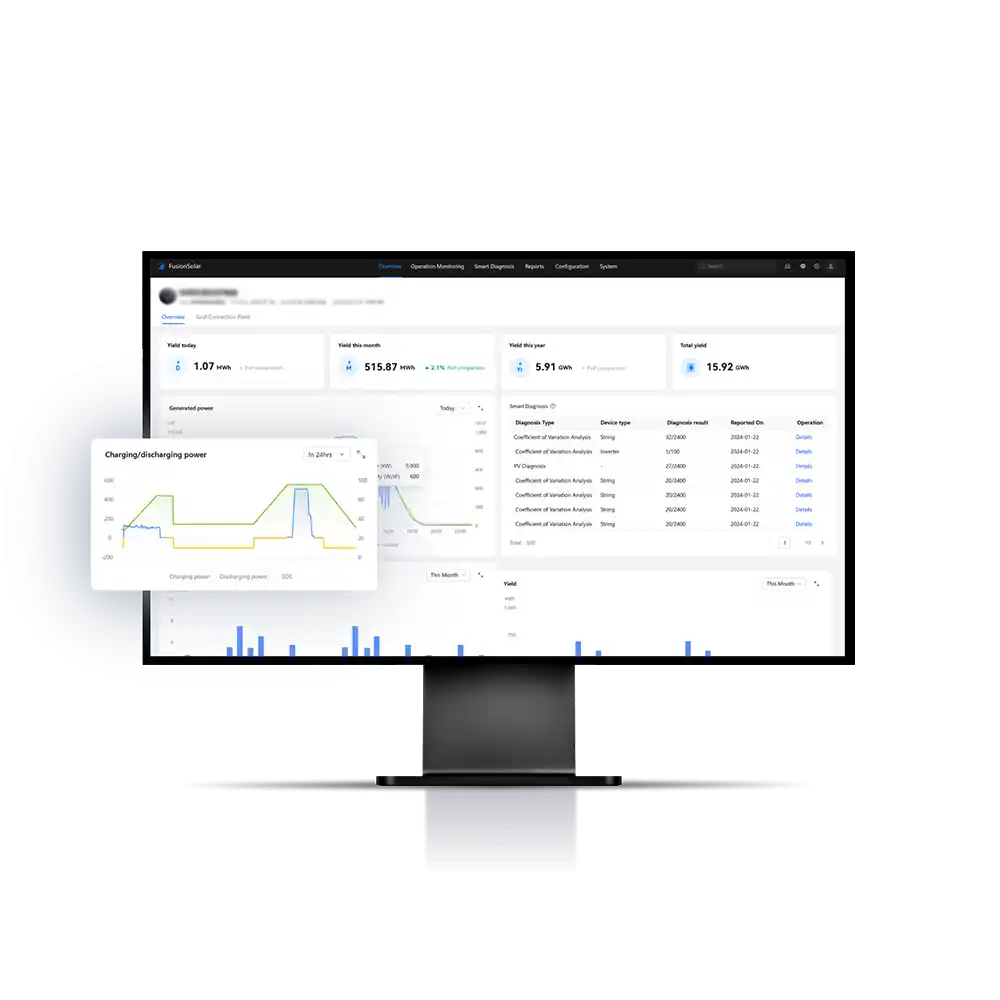
For an operations team responsible for observing and coordinating a solar plant, developers, EPC contractors, asset owners and grid operators need to identify what should be measured before the equipment is selected. That review should cover the location, demand and compliance assumptions, because the ultimate objective involves grid compliance, generation continuity, safe operations and accountable asset performance. Large purchasing decisions often begin with a short list of components. Yet the durable result depends on how those components behave in their specific environment. A good plan links these practical questions to tests, documented responsibilities and realistic site conditions.
Live status
Operators need to distinguish telemetry failures from true equipment alarms before sending people to the field. The owner can ask the designer to identify the measurement that would confirm this expectation after the system is commissioned.
Look beyond peak power
Annual availability, curtailment, degradation and losses are often more relevant to investors than a single peak reading. Performance review should keep weather effects separate from equipment and operating effects.


Remote commands
Changes to setpoints should have permissions and an audit log to avoid confusion during abnormal grid events. The responsible team should keep evidence of the assumptions and explain which conditions would trigger a design review.
For a useful solution reference, examine PV plant management system alongside the project drawings and the documented operating requirements. A product page is a starting point for questions, not a substitute for site assessment.
Performance analysis
Compare expected and measured output while accounting for irradiance, temperature, curtailment and maintenance. The responsible team should keep evidence of the assumptions and explain which conditions would trigger a design review.


Cyber and continuity
Remote operation requires secure access, backups and a defined procedure when the management connection is unavailable. A clear design record helps distinguish a design limitation from a setting, installation or operating problem discovered later.
Alarm ownership
Alerts should route to named responders with severity rules, documented decisions and closure records. This is also a useful point to identify the maintenance team, the safety procedure and the records needed during a future fault.
Teams can revisit PV plant management system during commissioning, checking the proposed capabilities against measured behavior and the final configuration.


Work management
A useful platform connects faults to tickets, parts and technician observations, not just colored warning icons. An independent operational check can show whether the plan reflects everyday use rather than an idealized demonstration.
For a PV plant management system, the decisive question is whether the specified functions can be supported by site evidence, safe procedures and an accountable operating model. Each requirement should be reviewed against the actual project, not assumed to apply everywhere.
The handover file should distinguish routine operating settings from limits that require review by a qualified engineer.
Decisions worth documenting
A concise decision file can identify the adopted design, rejected alternatives, unresolved constraints and the tests needed before handover. This makes the project easier to review when its assumptions change.