

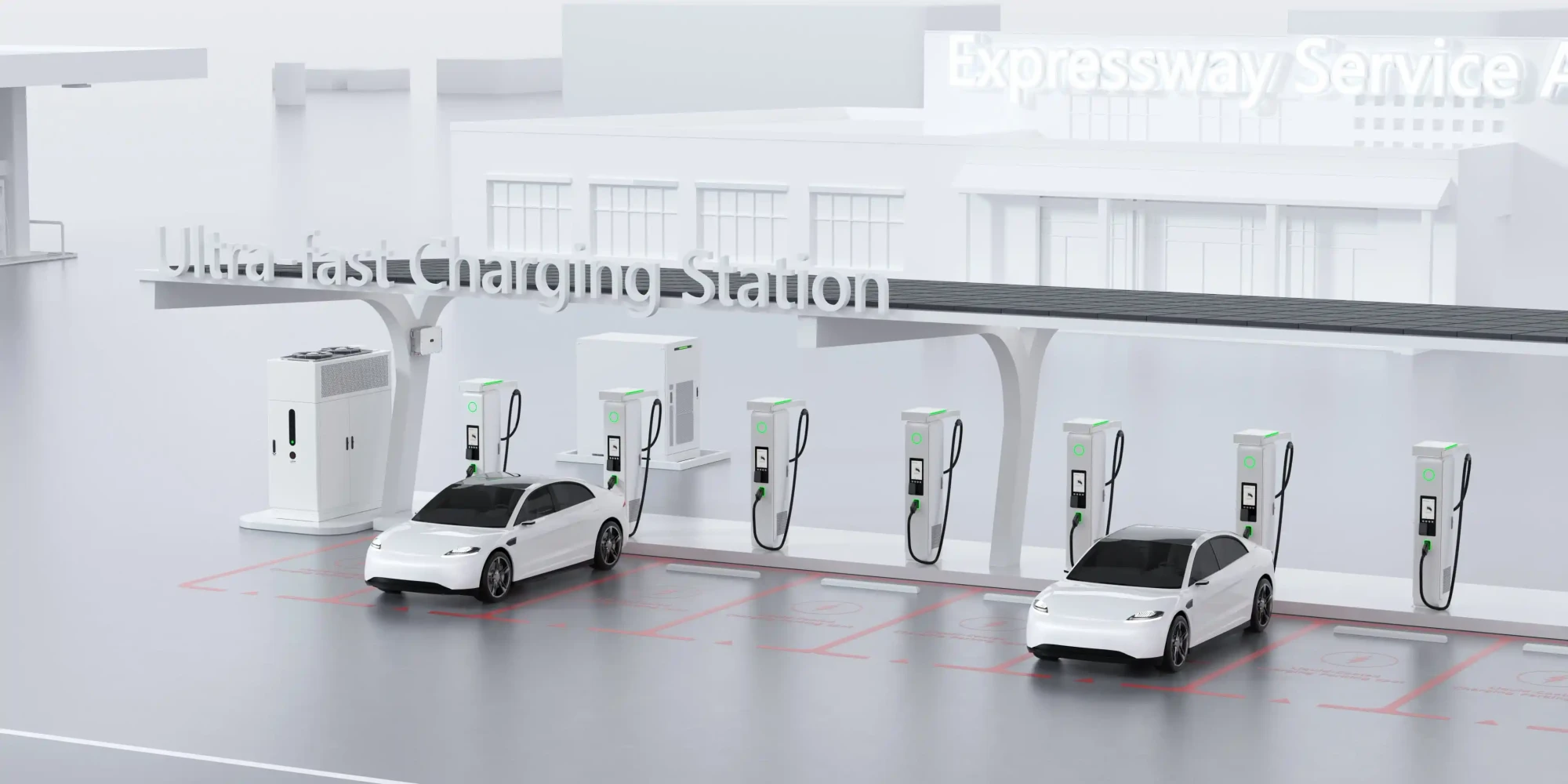
For a mixed-use site with uncertain early utilization, equipment decisions must follow the required service and the conditions of the actual site. Commercial electric car charging stations serve drivers whose parking decisions and dwell times differ across retail, workplace and destination sites. The smart charging network portfolio combines liquid-cooled high-current equipment, modular charging power and controls that can allocate available capacity across multiple parking bays. In this context, commercial electric car charging stations brings together specific components and controls rather than a single isolated device.
A new site benefits from realistic demand assumptions rather than installing every planned dispenser immediately. Equipment ratings, control policies and the responsibilities of the operating team should therefore be aligned before commissioning. A design assumption should be documented when it cannot yet be confirmed by measurements.
A station designed around parking
The location of conversion cabinets, dispensers and vehicle bays should be designed together. Cable reach, turning space, accessible routes and protection from accidental vehicle contact can determine whether a theoretically powerful station is convenient in practice.


A split DC architecture can keep the main conversion equipment away from the user-facing parking area. Dispensers remain close to cars, while power modules and protective switchgear occupy a serviceable equipment zone.
Shared power and electrical limits
A liquid-cooled high-current dispenser removes heat from the cable and connector, supporting high-output use when the vehicle can accept it. Cooling hardware, flow monitoring and connector temperature protection become part of the operational system.
Dynamic allocation matters when vehicles taper charging power. A shared power pool can redirect unused conversion capacity to another compatible car, improving utilization without increasing the contracted grid connection.


Service reliability and data
Station monitoring should distinguish dispenser availability, electrical faults, connector issues and communication outages. A driver may perceive all of them as a failed charger, but the maintenance response depends on the root cause.
Session records can track successful starts, delivered energy, occupancy and idle time. These indicators inform parking policy and maintenance priorities more directly than a single utilization percentage.
Expansion for commercial property
Public charging introduces responsibilities for signage, user assistance, safe queuing and payment or access integration. These interfaces should be verified with the selected third-party service systems rather than assumed from charger hardware alone.


On-site PV or storage may contribute energy at certain times. Their benefit depends on power limits, production profiles and tariffs, so charging capacity should not be rated solely on expected solar output.
These considerations show why commercial electric car charging stations should be specified by its architecture, operating limits and interfaces. A well-specified commercial station links the electrical design with the driver experience. Power conversion, allocation, site circulation and maintenance processes need to function together before the planned number of bays becomes a reliable service. The final selection still depends on applicable standards, actual site conditions and model-specific documentation.