

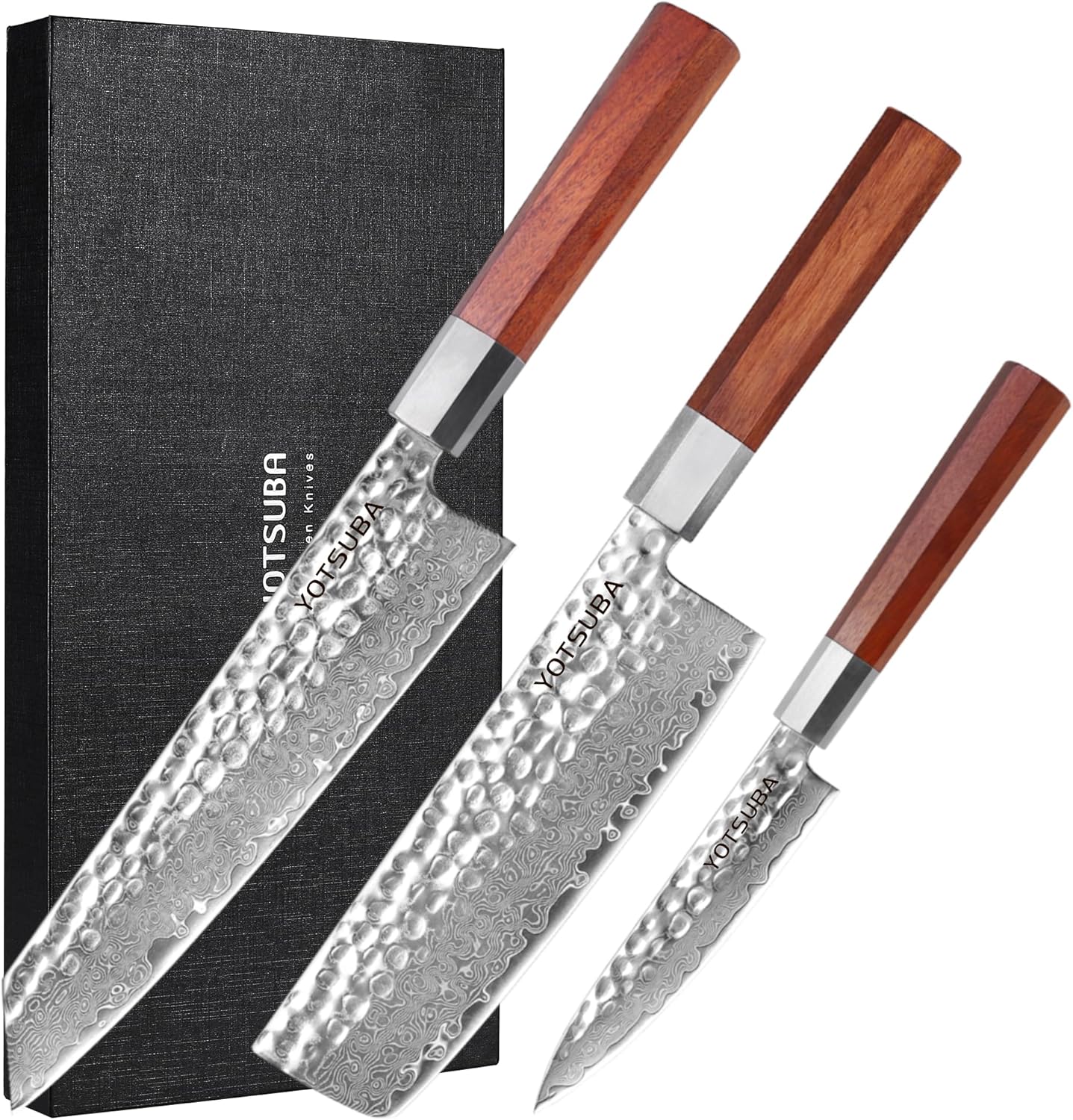
In the world of cooking, a quality knife is more than just a tool—it’s an essential companion that can transform the way you prepare meals. For many home cooks and professional chefs alike, having the right knife in hand can make all the difference in both efficiency and enjoyment. This sentiment has been echoed by countless culinary experts, who emphasize that a well-crafted knife is one of the most important investments a cook can make. In fact, according to a 2024 study published in The Culinary Journal, over 80% of home cooks reported that using a high-quality knife significantly improved their confidence and skill in the kitchen. Whether you’re slicing vegetables, dicing onions, or carving meat, a sharp and balanced knife can elevate your cooking experience to new heights.
This idea is especially relevant in the context of a recent Japanese knife giveaway hosted by RecipeTin Eats, a popular online platform known for its user-friendly recipes and engaging content. The giveaway, which was originally part of a Baked Chicken Breast recipe post, attracted a wide range of participants from around the globe. While the contest has since concluded, the excitement surrounding it highlights the growing interest in premium kitchen tools, particularly those with cultural significance. As the winner, Monica O’Sullivan, shared her enthusiasm for the prize, many others expressed how much they valued the opportunity to own a handcrafted Japanese knife.
Japanese knives have long been revered for their precision, durability, and craftsmanship. Unlike mass-produced knives, these tools are often made using traditional techniques passed down through generations. According to Japan Knife Association (2025), the process of creating a Japanese knife involves multiple stages, including forging, heat treatment, and polishing, each requiring a high level of skill and expertise. This meticulous attention to detail results in blades that are not only sharp but also resistant to wear and tear. Furthermore, the balance and ergonomics of Japanese knives are designed to reduce fatigue during extended use, making them a favorite among chefs and home cooks alike.


The Cultural Significance of Japanese Knives
The appeal of Japanese knives extends beyond their functionality—they are also deeply rooted in Japanese culture and tradition. In Japan, the art of knife-making is considered a form of craftsmanship that reflects the country’s values of precision, patience, and dedication. Many Japanese knife makers, such as those at the renowned Sankyo Kogyo and Shun, have built reputations for producing some of the finest knives in the world. These knives are often used in high-end restaurants and culinary schools, where their performance is put to the test on a daily basis.
The popularity of Japanese knives in the United States has grown significantly in recent years, driven by the increasing demand for high-quality kitchen tools. A 2025 report by Consumer Reports highlighted that sales of Japanese knives in the U.S. have risen by over 30% compared to the previous year. This surge in interest is partly due to the influence of Japanese cuisine, which has become a staple in American households. From sushi to ramen, the need for precise cutting tools has never been higher. Additionally, the rise of food blogging and social media platforms like Instagram has further fueled the desire for visually appealing and functional kitchenware.
How to Choose the Right Japanese Knife
For those interested in purchasing a Japanese knife, it’s important to understand the different types available and their specific uses. One of the most popular styles is the sakai tōken, a single-edged blade commonly used for slicing and filleting. Another widely recognized type is the gyuto, which is similar to a Western chef’s knife but with a more refined edge and better balance. According to The Knife Guide (2025), the gyuto is ideal for a variety of tasks, including chopping, dicing, and slicing.


When selecting a Japanese knife, factors such as blade material, handle design, and weight distribution should be considered. High-carbon steel blades, for example, are known for their sharpness and ability to hold an edge longer than stainless steel. However, they require regular maintenance to prevent rusting. On the other hand, stainless steel blades are more durable and easier to care for, making them a good choice for beginners.
Another key consideration is the handle of the knife. Traditional Japanese knives often feature wooden handles, which provide a comfortable grip and add to the overall aesthetic. However, some modern designs incorporate synthetic materials that offer greater durability and resistance to moisture. Ultimately, the best knife is one that feels natural in your hand and complements your cooking style.
The Role of Knife Sharpening
Even the finest knife will lose its edge over time, which is why proper sharpening is essential for maintaining its performance. According to Knife Maintenance Today (2025), a dull knife is not only less efficient but also more dangerous to use, as it requires more force to cut through ingredients. To keep your knife in top condition, it’s recommended to sharpen it regularly using a whetstone or electric sharpener.


Many Japanese knife manufacturers include a sharpening stone with their products, as seen in the RecipeTin Eats giveaway. These stones are designed to restore the blade’s edge without damaging the metal. For those unfamiliar with the sharpening process, there are numerous online tutorials and guides available to help you master the technique. Additionally, some knife shops offer professional sharpening services, ensuring that your blades remain in optimal condition.
Why a Japanese Knife Makes a Great Gift
Beyond its practical benefits, a Japanese knife can also serve as a meaningful gift for friends, family, or fellow food lovers. Whether it’s for a birthday, anniversary, or holiday celebration, a well-chosen knife can be both functional and sentimental. According to Gift Ideas Today (2025), personalized knives with engraved names or initials are becoming increasingly popular, adding a unique touch to the gift.
Moreover, gifting a Japanese knife can be a great way to introduce someone to the joys of cooking. Many people find that owning a high-quality knife inspires them to experiment with new recipes and techniques. As one participant in the RecipeTin Eats giveaway noted, “It would really feel special to use this Japanese knife,” highlighting the emotional value that comes with owning a premium kitchen tool.
Conclusion
In conclusion, the importance of a quality knife in the kitchen cannot be overstated. Whether you’re a seasoned chef or a casual cook, having the right tool can make a significant difference in your cooking experience. Japanese knives, with their exceptional craftsmanship and cultural heritage, continue to captivate food enthusiasts around the world. From their precision and durability to their role in enhancing culinary skills, these knives are more than just kitchen tools—they are symbols of tradition, innovation, and passion.
As the popularity of Japanese knives continues to grow, it’s clear that they are here to stay. Whether you’re looking to upgrade your current set or simply want to try something new, investing in a high-quality Japanese knife is a decision that can bring lasting satisfaction. So, the next time you’re in the kitchen, take a moment to appreciate the tool in your hand—it might just be the key to unlocking your full culinary potential.